
游戏详情
攻略指南
冬日狂想曲:雪色童话中的温情与成长
石日新

表面是黄油,内核却温暖人心
作为一名曾经体验过《夏日狂想曲》的玩家,我在接触《冬日狂想曲》前,曾误以为这不过是一款单纯满足欲望的游戏。然而当我真正踏入这个被白雪覆盖的小镇,与熟悉的角色们重逢时,我发现自己彻底错了。
这款由Dojin Otome开发的作品,以其精致的像素风格和丰富的内容,在Steam上获得了96%的好评率,堪称2024年的开年巨作。
内容升级,体验优化
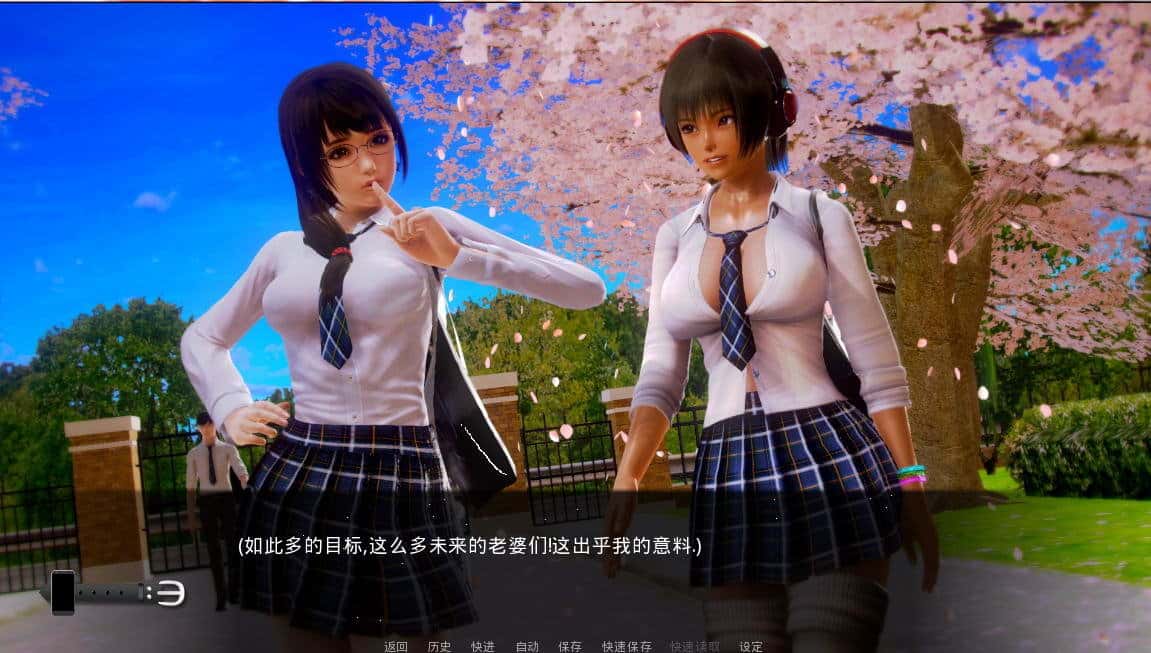
《冬日狂想曲》在继承前作优点的基础上,进行了全方位的升级。游戏时间虽然从夏日的30天缩短为寒假的18天,但内容更加紧凑充实。制作团队不仅保留了前作中广受好评的元素,还增加了新角色、新玩法,以及更加精细的画面表现。

游戏中的小游戏种类丰富多样,从算数、洗碗到钓鱼、拍卡,每一种都设计得颇具趣味性。而成就系统的加入,更是为游戏增添了长期追求目标,完成成就后还能获得机制上的奖励来提升游戏体验。

时间管理与情感交织
本作的核心玩法之一是时间管理——玩家需要合理安排每天的活动,在不同时间地点与各位角色互动。
游戏中的互动手段丰富多彩:聊天、送礼物、完成各种任务都能提升好感度。每个角色都有自己独特的故事线,随着好感度的增加,玩家将解锁更多有趣的内容和互动。制作组还很贴心地改进了引导系统,点击女角色会提示下一步攻略方向,去神社算卦则会提供任务线索,大大降低了卡关的可能性。
推荐体验
游戏提供PC和安卓两个版本,方便玩家选择自己喜欢的平台。
总的来说,《冬日狂想曲》是一款超越常规Galgame的佳作,它不仅仅是一款满足原始欲望的游戏,更是一个关于亲情、友情和微妙情感的冬日童话。它给了玩家一个时光机,让我们回到一个单纯的时候,体验人与人之间面对面的交流,没有欺骗,只有执着和任性自我,最终回到被大家包容的天真时代,所以不妨让《冬日狂想曲》带你体验一场外面雪花飘飘,屋里浪花滔滔的暖心冒险吧!